The Erwin-Ramsey Fellowship
Named for the respective hometowns of Principals Kurt Keesecker and Bruce Wardell, the Erwin-Ramsey Fellowship aims to deepen architectural contributions to the firm’s hometown of Charlottesville, Virginia, where we have worked for 40 years.
fellowship overview
The 2026 fellowship application period is open!
About the Fellowship
The Erwin-Ramsey Fellowship, held annually each summer, is open to graduate and fourth-year undergraduate students in the Schools of Architecture at: the University of Virginia, Virginia Tech, Hampton University, and James Madison University. Erwin-Ramsey Fellows localize their Fellowship project to Charlottesville’s unique community and built environment.
Architecture, Equity and Affordability
Affordability, accessibility, and equity are crucial factors in shaping our communities. The Erwin-Ramsey Fellowship is for students passionate about exploring the intersection between these factors and architectural practice, particularly in serving marginalized communities.
What to Expect
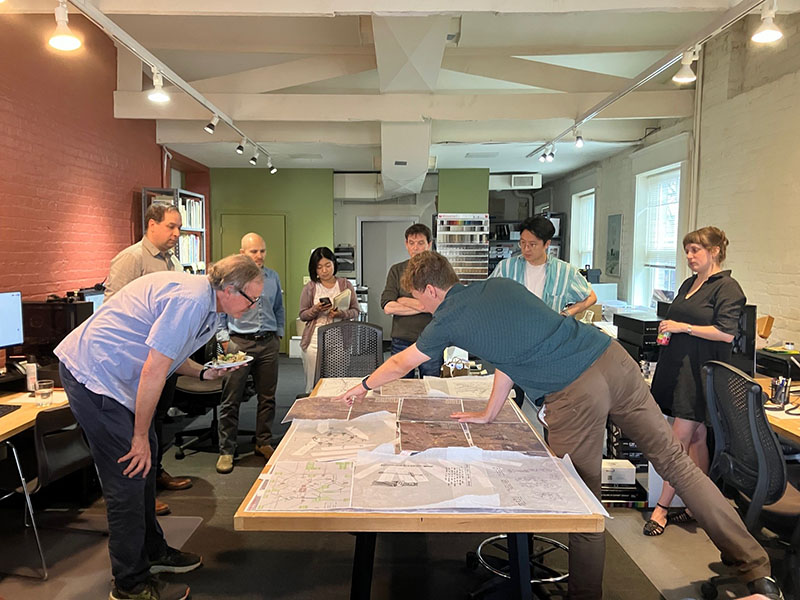
The Fellowship spans either three or four consecutive weeks, during which the selected Fellow works on a self-initiated project aimed at enhancing Charlottesville’s built environment for all. Throughout the program, the Fellow develops connections with residents, clients, and key stakeholders in Charlottesville’s housing market.
Past Erwin-Ramsey Fellows
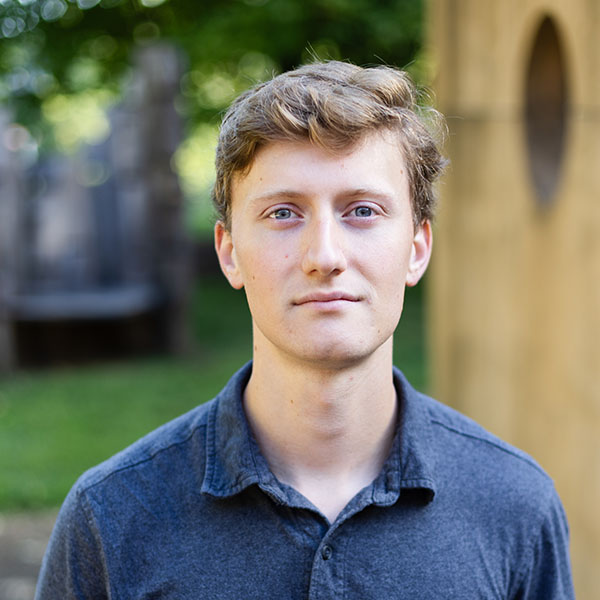
Leopold Wehner, M.Arch '26 (UVA)
2021 Erwin-Ramsey Fellow
Leopold, an avid trail user, focused on the pwoer of recreational trails as linear public space, and on his interest in the negotiation between public space and urban infrastructure. He worked with civic and non-profit institutions like the Rivanna Trails Foundation to expand the public interface with Charlottesville’s unique and complex system of recreational trails; a system he has dubbed “a kind of half-wild, half-urban public backyard”.
The 2025 Fellowship research encompassed a proposed restructuring of existing public-facing maps and wayfinding, a cartographic study of how the trails interact with the region’s daily life, and a vision of the system’s potential for years to come.
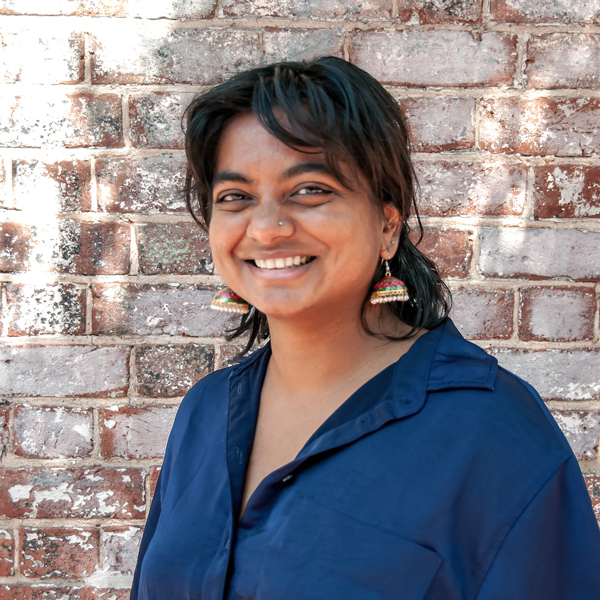
Dasani Madipalli, M.Arch (UVA)
2024 Erwin-Ramsey Fellow
Dasani began her career in technology, including a tenure at Microsoft where she developed assistive technology for people with disabilities. Working directly with end users, she discovered accessibility challenges were as common in the built environment as they are in the digital landscape. This inspired Dasani to pivot to a career in Architecture, and she is currently in the second year of her Masters program at the UVA School of Architecture.
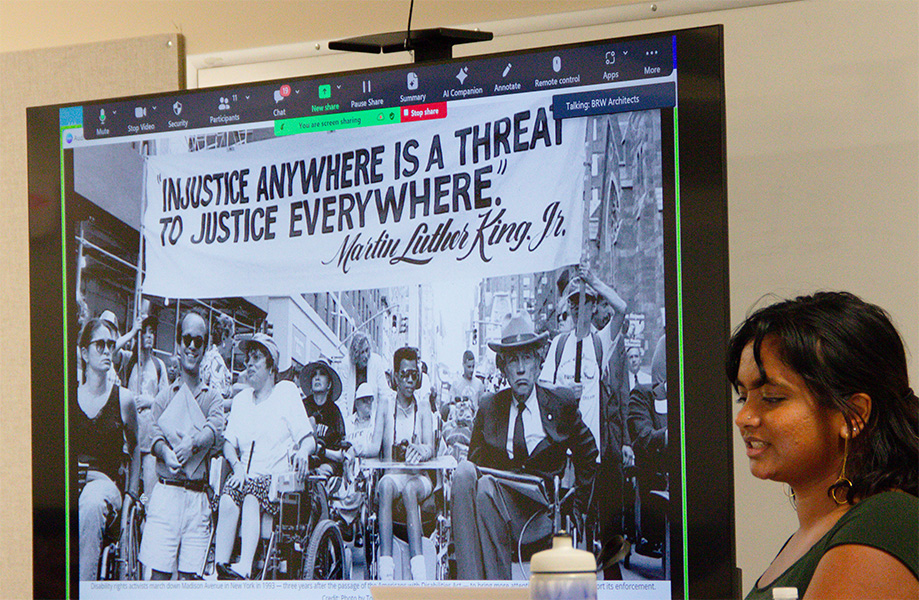
The 2024 Erwin-Ramsey Fellowship investigated the effectiveness of current accessibility code requirements in Charlottesville and identified opportunities to better incorporate the experiences of disabled residents into accessible design.
What impressed us about Dasani’s proposal was her prioritization of inclusive community-centered design using the established building code. In addition to reviewing accessibility guidelines, she wanted to work directly with residents to gain insight into their experiences and develop resources to help empower individuals to participate in the design process.
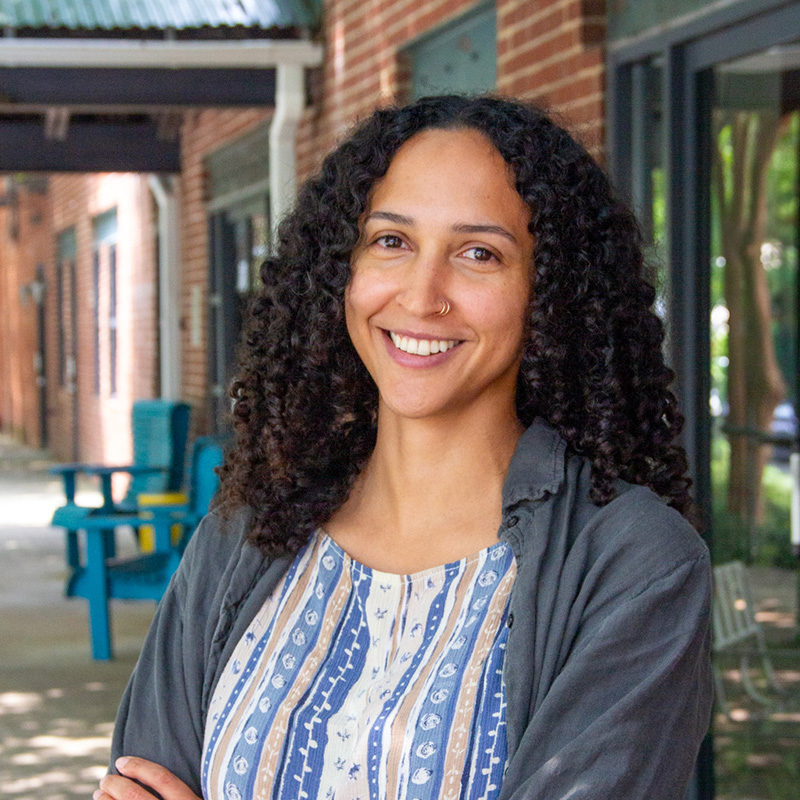
Jo Blount, M.Arch (UVA)
2023 Erwin-Ramsey Fellow
Jo was raised in Charlottesville and has been involved in organizing efforts focusing on tenants’ associations, anti-gentrification, and community-led redevelopment in different regions. Currently, Jo is a part-time staff member at the Public Housing Association of Residents (PHAR) while pursuing her Master’s degree at UVA.
The 2023 Fellowship addressed a critical aspect of Charlottesville’s development: the commitment to racial equity and affordable housing goals in the Comprehensive Plan update and Rezoning process. Jo used her fellowship to create resources for the community engagement networks that had been established through the Cville Plans Together (CPT) Initiative.
What impressed us about Jo’s proposal is how firmly it was rooted in already-existing community initiatives and projects. Like our resident-led design processes in Southwood and South First Street, Jo placed community members at the forefront of her project, directly addressing the needs they have expressed.
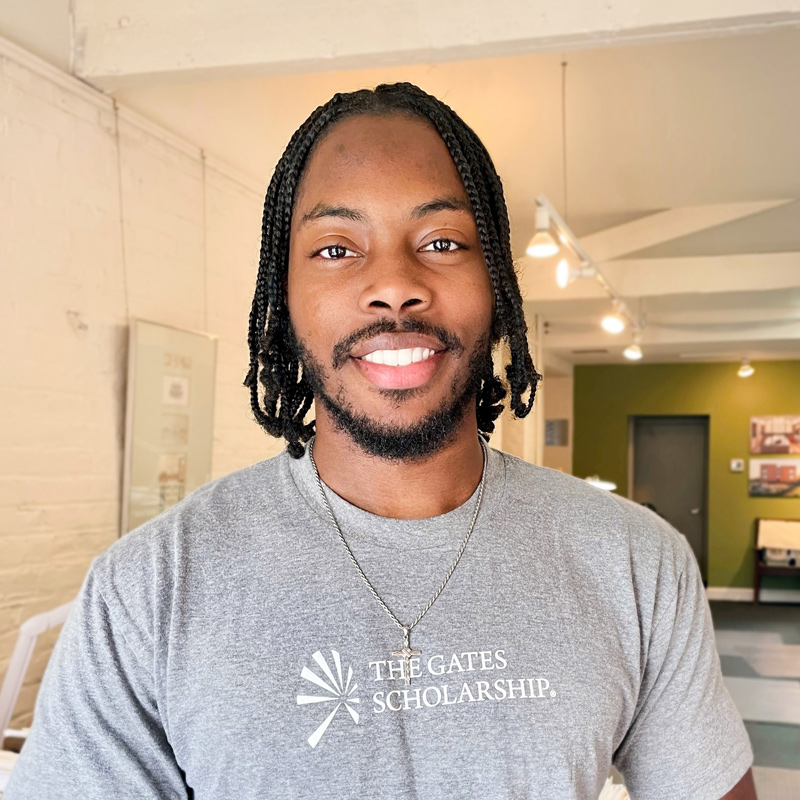
Brandon Eley, M. Arch (UVA)
2022 Erwin-Ramsey Fellow
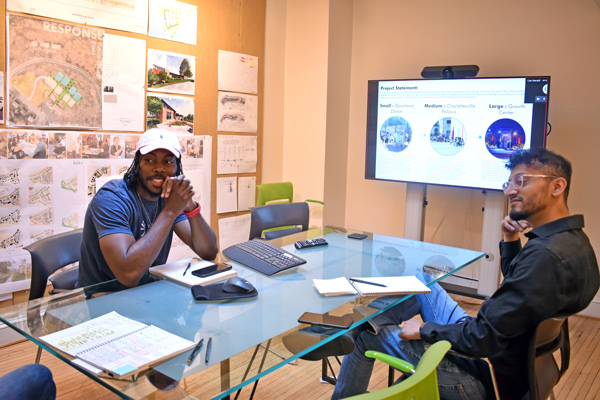
The 2022 Fellowship Program developed strategies to engage underserved youth and teen populations through the built environment. Brandon spent a substantial part of his fellowship working directly with Charlottesville teens as well as as directors of teen programs in the area. The resulting project outlined small, medium, and large-scale strategies: everyday placemaking interventions, Charlottesville fellowship programs for teens, and site development strategies for architects and developers throughout the city.
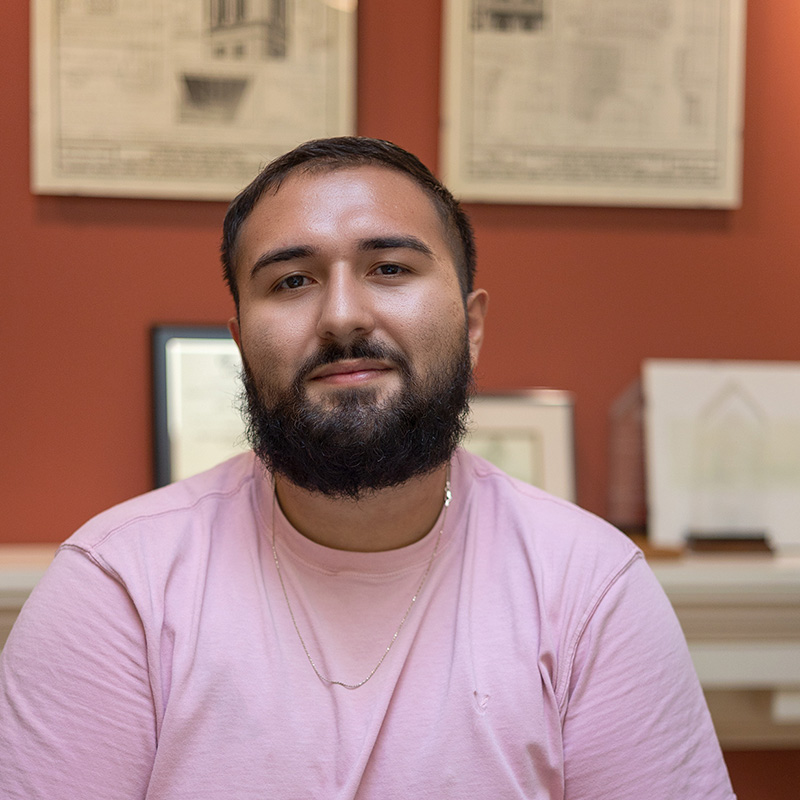
Gabriel Andrade, M. Arch (UVA)
2021 Erwin-Ramsey Fellow
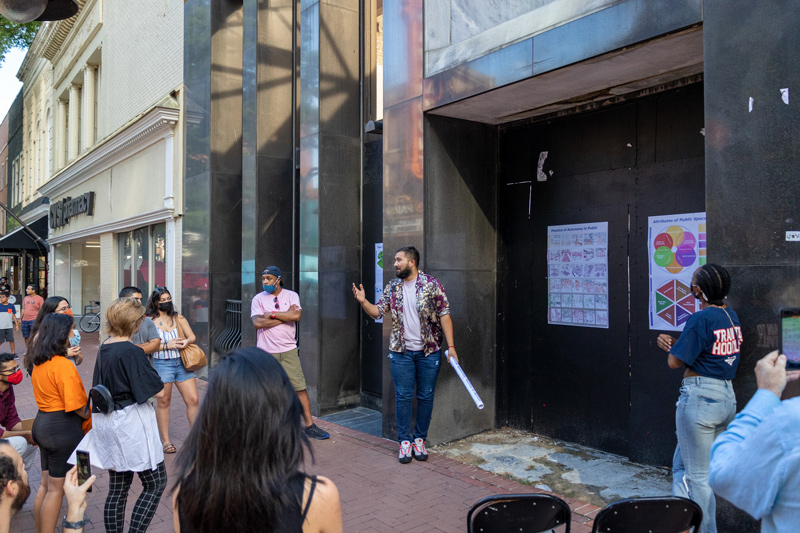
Gabriel explored the ways that we as a community feel ownership over public spaces. Focusing on common public spaces such as alleys, streets, or under trees, Gabriel assembled a ‘catalog’ of everyday/guerrilla interventions using common objects to create this sense of ownership. The Fellowship culminated in a walking tour through the Downtown Mall, using objects to remake the alleys and streets we normally overlook.
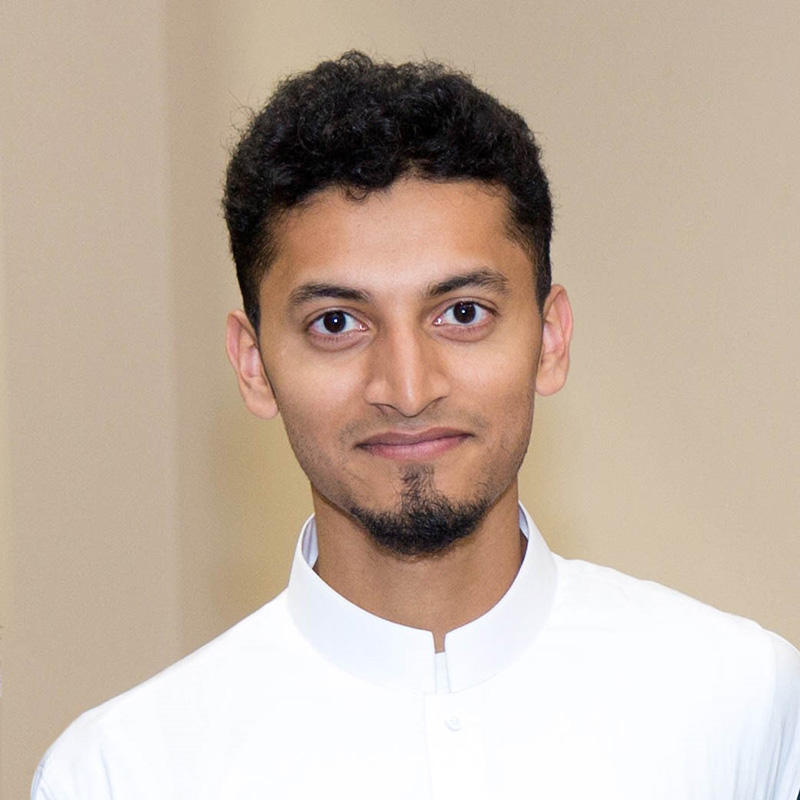
Taha Suhrawardy, M. Arch (UVA)
2020 Erwin-Ramsey Fellow
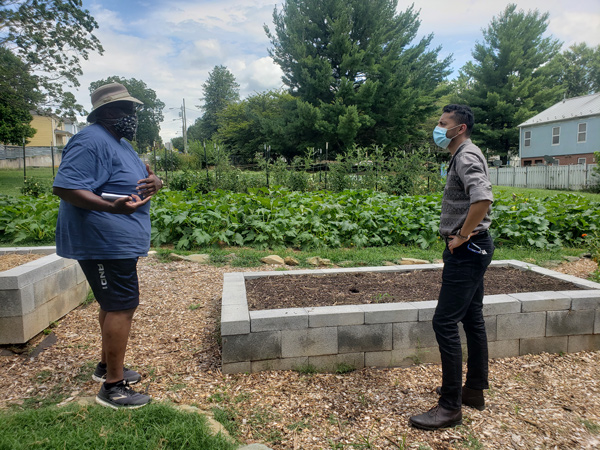
The 2020 Fellowship Program explored the ways that community agriculture can contribute to land-use strategies in order to reinforce the wellbeing and food security of resident-led redevelopment projects in Charlottesville. Working with our resident relationships and existing food justice initiatives, Taha applied his interest in community health and gardens and his Architecture background to Charlottesville’s development projects specifically.
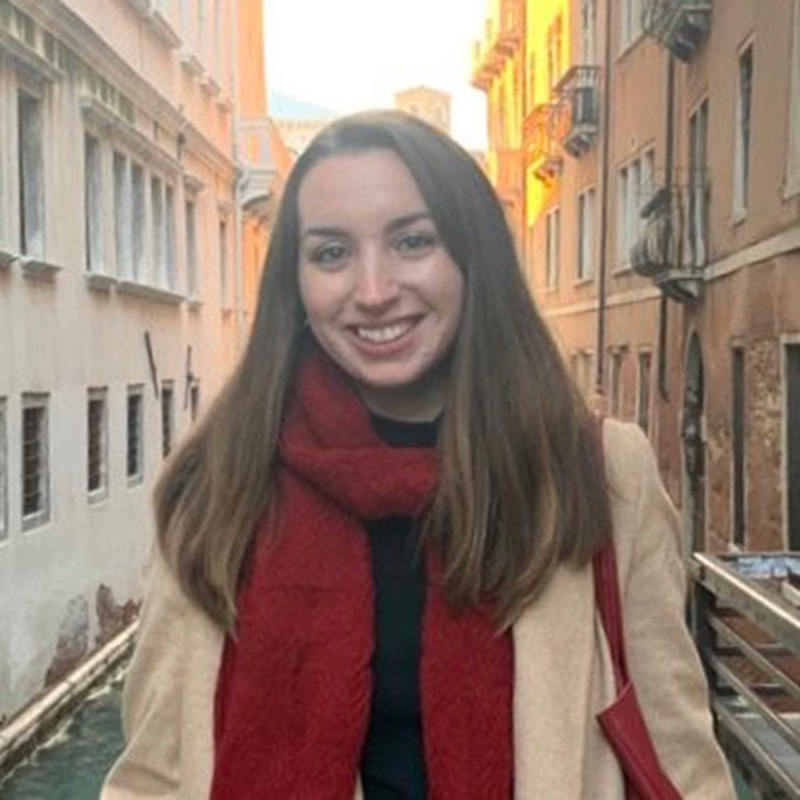
Amanda Harlow, M. Arch (UVA)
2019 Erwin-Ramsey Fellow
Amanda developed a Curriculum for faith congregations in Charlottesville whose missions align with affordable housing and caring for the homeless and aging populations. This immersive research project data-mapped potential sites for developing affordable housing and translated the City development process into an accessible tutorial. The resulting Curriculum assists communities of faith in identifying their opportunities and resources, becoming familiar with the development and design process, and implementing affordable housing as part of their mission.